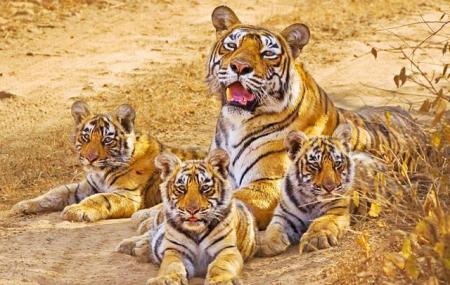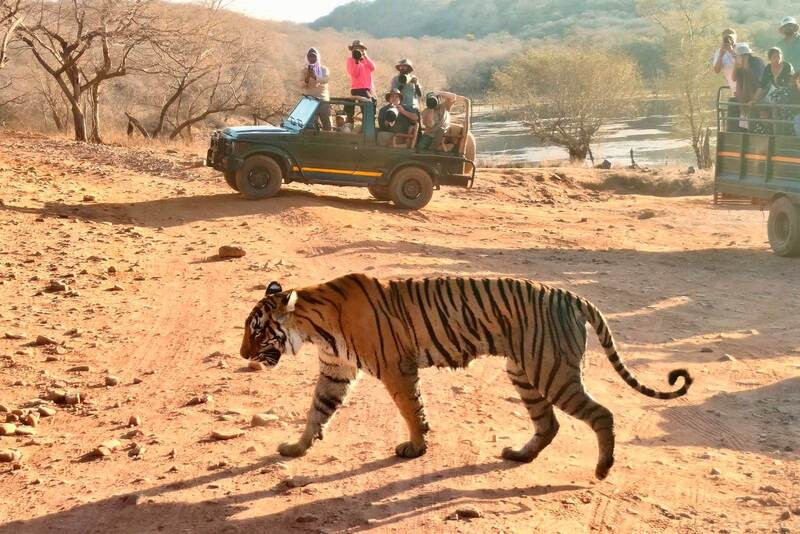
Ranthambore National Park is one of India's most iconic wildlife destinations and among the best places in the world to spot the majestic Royal Bengal Tiger in its natural habitat. Located in the Sawai Madhopur district of Rajasthan, the park combines thrilling wildlife experiences with rich history, ancient ruins, and breathtaking landscapes.
Covering approximately 1,334 square kilometers as part of the Ranthambore Tiger Reserve, the park attracts wildlife enthusiasts, photographers, and nature lovers from across the globe. Its unique mix of dry deciduous forests, open grasslands, rocky hills, and picturesque lakes creates an ideal environment for diverse wildlife species.
Whether you're hoping to witness a tiger in the wild or explore centuries-old heritage sites, Ranthambore National Park promises an unforgettable adventure.
Where is Ranthambore National Park Located?
Ranthambore National Park is situated in the Sawai Madhopur district of Rajasthan, approximately 180 kilometers from Jaipur and 380 kilometers from Delhi.
The park lies at the junction of the Aravalli and Vindhya hill ranges, creating a unique landscape that supports a wide variety of flora and fauna.
Quick Facts
- Location: Sawai Madhopur, Rajasthan, India
- Established as National Park: 1980
- Tiger Reserve Status: 1973 (Project Tiger)
- Area: Approximately 1,334 sq. km.
- Elevation: 215–505 meters
- Nearest Town: Sawai Madhopur
- Famous For: Bengal Tigers and Ranthambore Fort
Ranthambore is one of the most visited national parks in India and a top destination for wildlife tourism.
Why is Ranthambore National Park Famous?
Ranthambore is globally recognized for its exceptional tiger sightings and successful conservation efforts.
The park is particularly famous for:
- Royal Bengal Tigers
- Ranthambore Fort
- Wildlife Photography
- Safari Experiences
- Ancient Ruins Inside the Forest
- Rich Biodiversity
- Scenic Lakes and Landscapes
Unlike many dense forests, Ranthambore's open terrain increases the chances of spotting wildlife, making it a favorite among photographers and safari enthusiasts.
Wildlife You Can Spot in Ranthambore National Park
Ranthambore supports a diverse range of wildlife species.
Mammals
Visitors may encounter:
- Royal Bengal Tiger
- Indian Leopard
- Sloth Bear
- Striped Hyena
- Jackal
- Jungle Cat
- Sambar Deer
- Chital (Spotted Deer)
- Nilgai (Blue Bull)
- Wild Boar
The park is home to over 70 tigers within the larger reserve landscape, making it one of India's most important tiger habitats.
Bird Species
Birdwatchers can spot more than 300 species of birds.
Popular sightings include:
- Crested Serpent Eagle
- Painted Stork
- Indian Grey Hornbill
- Kingfisher
- Peafowl
- Owl Species
- Vultures
- Parakeets
The lakes and wetlands attract numerous migratory birds during winter.
Ranthambore Fort: A UNESCO World Heritage Site
One of the most unique attractions within the park is the historic Ranthambore Fort.
Built in the 10th century, this UNESCO World Heritage Site stands atop a hill overlooking the forest.
Highlights
- Ancient Architecture
- Panoramic Views
- Historic Temples
- Rich Rajput Heritage
- Photography Opportunities
The fort offers visitors a rare combination of wildlife and history in a single destination.
Padam Talao: The Largest Lake in Ranthambore
Padam Talao is the largest lake within the national park and one of the best locations for wildlife sightings.
Animals frequently seen around the lake include:
- Tigers
- Deer
- Crocodiles
- Birds
- Wild Boars
The famous Jogi Mahal, located on the lake's edge, adds to the scenic beauty of the area.
Activities Around Padam Talao
- Wildlife Photography
- Bird Watching
- Scenic Viewing
- Nature Observation
Early morning safaris often provide the best opportunities for sightings.
Rajbagh Ruins: Where History Meets Wildlife
The Rajbagh Ruins are among Ranthambore's most photographed attractions.
These ancient stone structures, surrounded by forest and lakes, create dramatic backdrops for tiger photography.
Visitors often spot:
- Tigers
- Leopards
- Deer Species
- Birds
The combination of heritage architecture and wildlife makes Rajbagh one of the park's most iconic locations.
Safari Zones in Ranthambore
Ranthambore National Park is divided into multiple safari zones to manage tourism and conservation effectively.
Popular zones include:
Zone 2
Known for frequent tiger sightings and scenic landscapes.
Zone 3
Famous for Padam Talao and Rajbagh Lake.
Zone 4
Features dense forests and diverse wildlife.
Zone 6
Popular among photographers due to excellent tiger movement.
Each zone offers unique wildlife viewing experiences.
Best Time to Visit Ranthambore National Park
For Tiger Sightings
March to June
Summer is considered the best season for tiger sightings as animals gather near water sources.
For Pleasant Weather
October to February
Winter provides comfortable temperatures and excellent safari conditions.
Park Closure
Some safari zones may remain closed during parts of the monsoon season for conservation and safety reasons.
How to Reach Ranthambore National Park
By Air
Nearest airports:
- Jaipur International Airport (180 km)
- Kota Airport (125 km)
By Train
The nearest railway station is:
- Sawai Madhopur Railway Station (10 km)
It is well connected to Delhi, Jaipur, Mumbai, and other major cities.
By Road
Ranthambore is easily accessible by road from:
- Jaipur
- Delhi
- Agra
- Kota
- Udaipur
Regular buses and taxis are available throughout Rajasthan.
Sustainable Tourism and Conservation
Ranthambore plays a significant role in India's tiger conservation efforts.
Visitors can support conservation by:
- Following safari guidelines
- Avoiding littering
- Maintaining silence during safaris
- Respecting wildlife habitats
- Supporting eco-friendly accommodations
Responsible tourism helps protect the park's fragile ecosystem and wildlife population.
Travel Tips for Visitors
- Book safari permits well in advance.
- Carry binoculars and cameras.
- Wear neutral-colored clothing.
- Choose morning safaris for better wildlife sightings.
- Stay hydrated during summer visits.
- Follow instructions from forest guides and drivers.
Final Thoughts
Ranthambore National Park offers one of the most exciting wildlife experiences in India. Its thriving tiger population, dramatic landscapes, ancient fort, scenic lakes, and rich biodiversity make it a must-visit destination for wildlife lovers and adventure seekers.
Whether you're searching for the perfect tiger photograph, exploring historic ruins, or simply enjoying the beauty of Rajasthan's wilderness, Ranthambore delivers an unforgettable journey into the heart of the wild.
A visit to Ranthambore National Park is more than just a safari—it's an opportunity to experience one of India's greatest conservation success stories while immersing yourself in nature and history.